Unlock Your Smile with Dental at Keys

We Strive to Provide The Best Dental Care For All Our Patients

woman holding ears as husband snores when he sleeps due to sleep apnoea

What is Obstructive Sleep Apnoea?

Obstructive sleep apnoea (OSA) affects how you breath while you are sleeping (breathing stops every now and then), sometimes leading to disruptive sleep (ie. lack of proper sleep). People who have sleep apnoea have an increased risk of heart problems, car accidents, work accidents and tend to take more sick days compared to people without OSA. OSA can happen in kids too and can affect their performance at school so be sure to check the sleeping patterns of your child!

Why does Obstructive Sleep Apnoea happen?

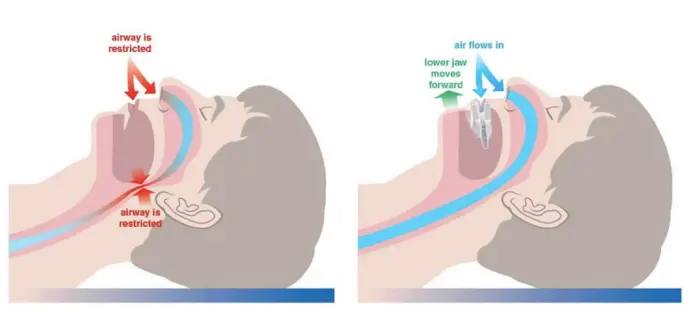
Sleep Apnoea occurs when the muscles in the throat relax too much during sleep, leading to a narrowed or blocked airway. This obstruction stops your breathing, prompting the brain to wake you briefly to reopen the airway. These frequent disruptions prevent restful, deep sleep and can lead to chronic fatigue and other serious health issues over time.

Signs and Symptoms of Sleep Apnoea

There are several signs of OSA, most of which can be picked up by your dentist (if they have undergone sleep training). These include:

  • The most common sign is consistent snoring.
  • Grinding is also a sign of this and will present as flat, worn teeth in your mouth.
  • Some patients also have acidic wear, which contributes to the worn teeth.
  • Patients who can’t breathe through their nose when they sleep (and hence mouth-breath) have a high chance that they might have OSA. However, the most important sign of OSA is the lack of a proper sleep – that is, poor sleep.
  • Patients who do not sleep well tend to be tired during the day, are unable to pay attention for long and typically wake frequently to go to the toilet at night (this is the same as bed-wetting for kids).
  • Sometimes symptoms can also manifest as headaches, pain in your shoulders, neck and jaw.
  • Often many of our patients rely on caffeine or energy drinks to stay alert or easily fall asleep when watching TV.
  • One of the most dangerous signs of Sleep Apnoea is falling asleep behind the wheel.

If you suspect you are not sleeping well and have been told that you snore &/or grind your teeth, we recommend that you speak to us about investigating potential OSA.

asian woman yawning due to poor sleep

Effects of Sleep Apnoea

Untreated sleep apnoea can have serious and wide-ranging effects on your health. Repeated interruptions in breathing and lack of restful sleep can lead to significant physical and mental health issues.

Health Risks:

High Blood Pressure

Around 45% of those with untreated sleep apnoea develop high blood pressure within four years.

The risk of heart attack doubles, and heart failure risk increases by 1.4 times.

Individuals with sleep apnoea have a 1.5 times higher risk of stroke.

The condition can also contribute to the development of type 2 diabetes.

Sleep apnoea can lead to memory loss, difficulty concentrating, and an increased risk of dementia.

Other Effects of OSA

Chronic Pain

Frequent headaches, neck and shoulder pain are common.

There is a strong link between sleep apnoea and depression, anxiety, and irritability.

Conditions like reflux (GORD) and irritable bowel syndrome (IBS) may worsen.

Sleep apnoea often contributes to weight gain, and obesity can further exacerbate the condition.

Severe untreated Sleep apnoea increases the risk of death within 10 years by one-third. Additionally, the likelihood of motor vehicle accidents rises 4-5 times due to drowsy driving.

Treatment Options for OSA

There are many ways to treat OSA. Lifestyle changes, dental treatments and in some cases, surgery, are options available to most patients. The treatment depends on the individual case.

Generally, the first investigation is a sleep study. This can be organised by your GP, ENT specialist or by us (Dental at Keys). The results of your sleep study will determine the severity of your sleep apnoea (if any) and hence the recommended treatment.

Common options for treatment of mild to moderate Sleep Apnoea include:

  • Weight loss
  • Smoking cessation
  • Exercise
  • Changing of body position when sleeping
  • Dental oral appliance therapy (snoring mouth guard – mandibular advancement splint)
  • Dental Orthodontics

Severe cases may require continuous positive airway pressure (CPAP) or even surgery. Surgery is typically indicated in patients who have airway obstruction, which can lead to OSA in some patients.

Sleep Apnoea Treatment

Mandibular Advancement Splints (MAS or Snoring Mouth Guard)

This involves wearing a specially designed device – a Mandibular Advancement Splint (MAS) – in your mouth (which is similar to a mouth guard) while you sleep at night. It works by primarily preventing the back of the throat and the tongue from collapsing onto your airway. By doing this, the appliance opens up the airway by pushing your lower jaw forward so you can breathe better at night.

Oral appliance therapy such as the mandibular advancement device (MAD) may result in an increase in saliva build-up, dry mouth, gum irritation or stiffness of the jaw muscles. These symptoms tend to settle with use. Long term use may change your bite and it is hence important to get the appliance checked regularly by your dentist.

*Please note: All OSA treatments are currently performed by Dr Daniella Lim.

Common Dental Problems

Tooth Decay
Tooth decay or (cavity), is the unsightly brown or black spot on your tooth. Addressing it promptly is essential as it can often lead to further progression of the decay into the tooth.
Toothache
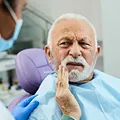
A toothache is pain in or around a tooth that can range from mild discomfort to severe, throbbing pain. It often signals an underlying dental problem that needs urgent professional attention.

Sensitive Teeth
Refers to a condition when a person experiences sharp, sudden pain or discomfort in their teeth when exposed to certain triggers.
Impacted Wisdom teeth
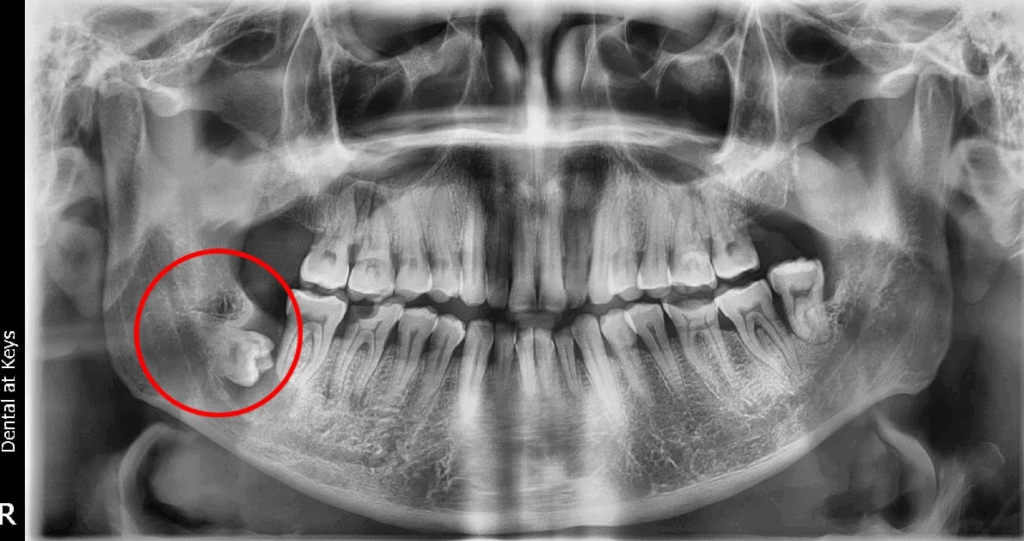
Impacted Wisdom teeth are your last (third) molars which stuck and can't come out due to their poor angulation. Signs include pain, swelling, infection, and headaches.

Teeth Grinding
Teeth grinding (bruxism), is a common condition where patients unconsciously clench, grind, or gnash their teeth together.
Tooth Abscess
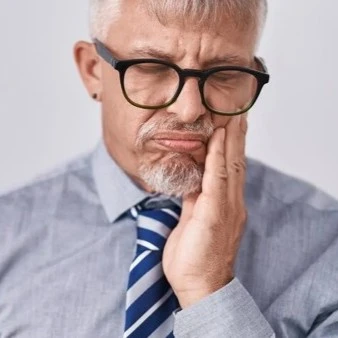
A tooth abscess is a localised collection of pus caused by a bacterial infection inside the tooth or surrounding gum tissue. It often leads to intense pain, swelling, and requires prompt dental care to prevent further complications.
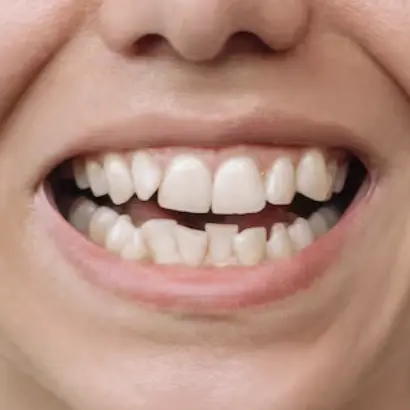
Crowded Teeth
Crowded teeth occur when there isn’t enough space in the jaw for teeth to sit in proper alignment.

Crooked Teeth
Crooked teeth usually develop due to a narrow or restricted jaw that doesn’t provide enough space for teeth to fit correctly.
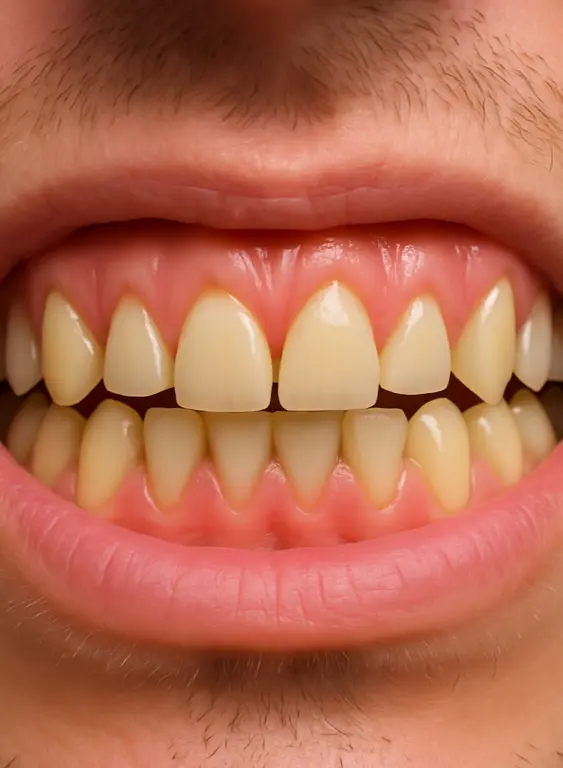
Yellow Teeth
Many people feel self-conscious about yellow teeth or tooth discolouration as it can affect confidence, self-esteem, and appearance.
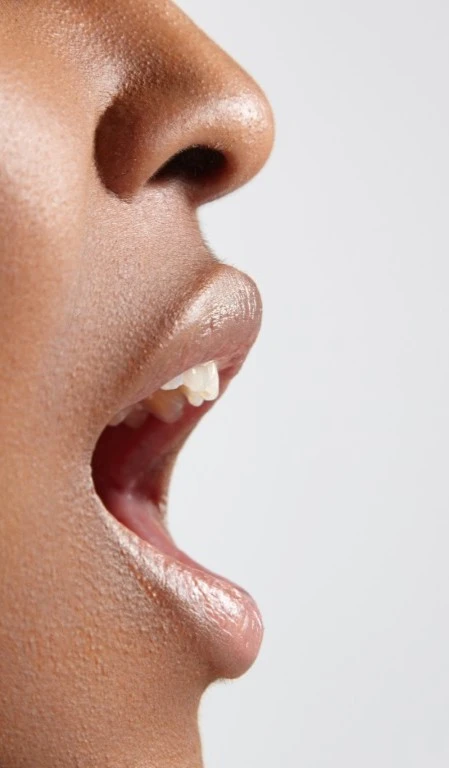
Bad Breath
Bad breath, is a common yet often embarrassing condition that can affect your confidence and social interactions. It may indicate an underlying dental or medical problem that needs attention.
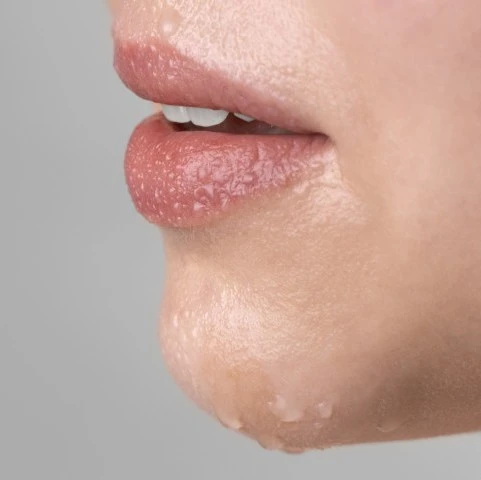
Dry Mouth
Dry mouth, also known as xerostomia, occurs when your salivary glands do not produce enough saliva to keep your mouth moist.

Snoring
Snoring, despite popular belief, is NOT a normal part of sleep. Snoring indicates that the flow of air through the breathing pipes is being restricted, causing vibrations and noise.
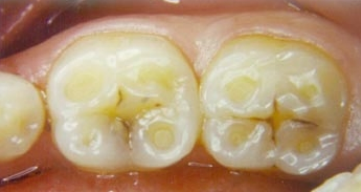
Enamel Erosion
Enamel erosion occurs when acids wear away the strong outer layer of your teeth leading to tooth sensitivity, cosmetic changes, and even functional damage.

Jaw Pain
Jaw pain is a common but often overlooked dental and medical issue which requires early treatment to prevent deterioration of symptoms.
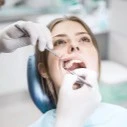
Gum Infection
Gum infections are painful and can cause redness, swelling, bleeding, and pus around the gums.
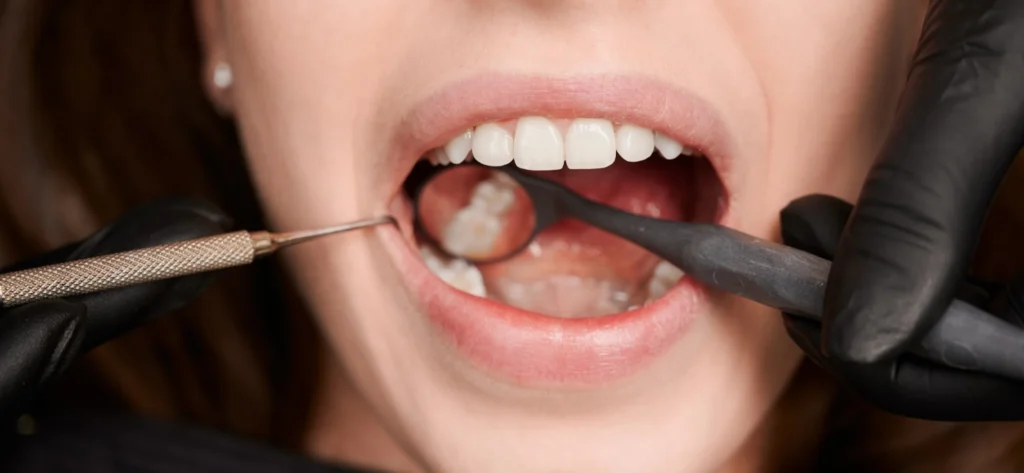
Receding Gums
Receding gums can be worrying when you first notice them. Seeking help early is the best way to protect your teeth and gums from further damage.
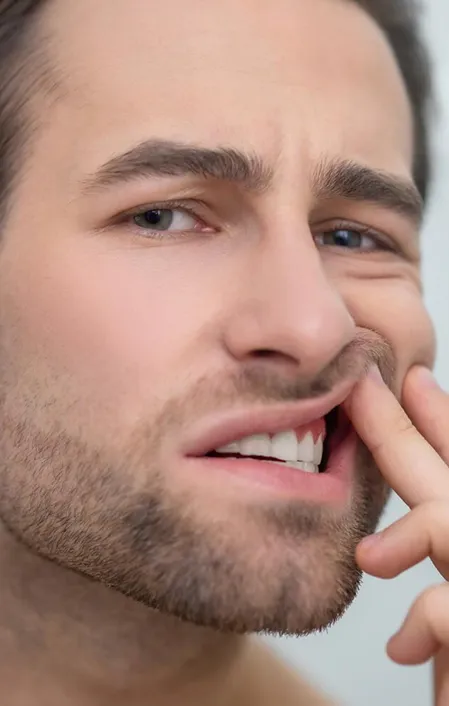
Gingivitis
Gingivitis is the reversible inflammation and infection of the gums surrounding the tooth. It is caused by plaque and/or tartar build-up around the teeth.

Cracked tooth
A cracked tooth refers to a condition when a tooth has chipped or fractured which generally results in a "sharp tooth" or at worst, a "tooth ache". Cracks can vary in size, depth, and location, impacting the tooth's structure and overall integrity.

Root Canal Infection
A root canal infection happens when bacteria enter the inner part of a tooth, called the pulp - and can be extremely painful.

Dental Anxiety
Are you scared of the dentist? Do you think you need a lot of work done but can't bear to be in the dental chair?


Frequently Asked Questions

Faq Img
How much does a Mandibular Advancement device cost?

A MAS will generally cost roughly over $2,000 – as it includes several adjustment appointments and a thorough diagnosis and study of your symptoms prior to its prescription.

In a manner of speaking, yes, it can kill you slowly. This is due to the fact that it can increase the risk of life-threatening conditions such as heart disease, stroke, and high blood pressure if left untreated.

No, it is a life long condition and requires good management.

If close family members suffer from OSA, there is a higher likelihood of developing the condition. Other hereditary factors such as facial structure, neck circumference, and predisposition to certain conditions like obesity may also contribute to OSA.

Latest News

Your local Dentist in Keysborough
A Smile For Every Age